Use one brief with specialist owners
Putting several services under one lead can reduce handoffs, but it does not mean one person performs every role. The coordinator, technical lead, photographer, filmmaker, editor and social-content lead still need named responsibilities. The benefit comes from connecting their decisions through one brief and schedule.
Start with the event objective and audience. Then define the programme, guest experience, production requirements and intended media outputs. This keeps coverage decisions tied to what the event needs to communicate rather than treating photography and video as an afterthought.
Join the schedules before the event
Production needs access, setup, testing and rehearsal time. Media needs location access, clean sightlines, key people and moments, and realistic movement between spaces. Social edits may need a transfer station and approval window. Put these needs beside the master programme before venue access is finalised.
Mark fixed moments and dependencies. A speaker rehearsal affects camera framing and audio recording; a lighting change affects photographs; a tight room turnaround affects the time available to capture details. A single change log helps every lead work from the current version.
- Venue access, build, rehearsal and doors-open times
- Programme cues that need technical and media coverage
- Interview windows and quiet recording locations
- Same-day selection, edit and approval deadlines
- Breakdown activity that must not interrupt guest departure
Design technical choices for the room and the recording
Sound that works for the audience may still need a separate recording feed. Screens can look correct in person while producing flicker or exposure problems on camera. Lighting should support the event atmosphere and the faces or stage moments that must be documented.
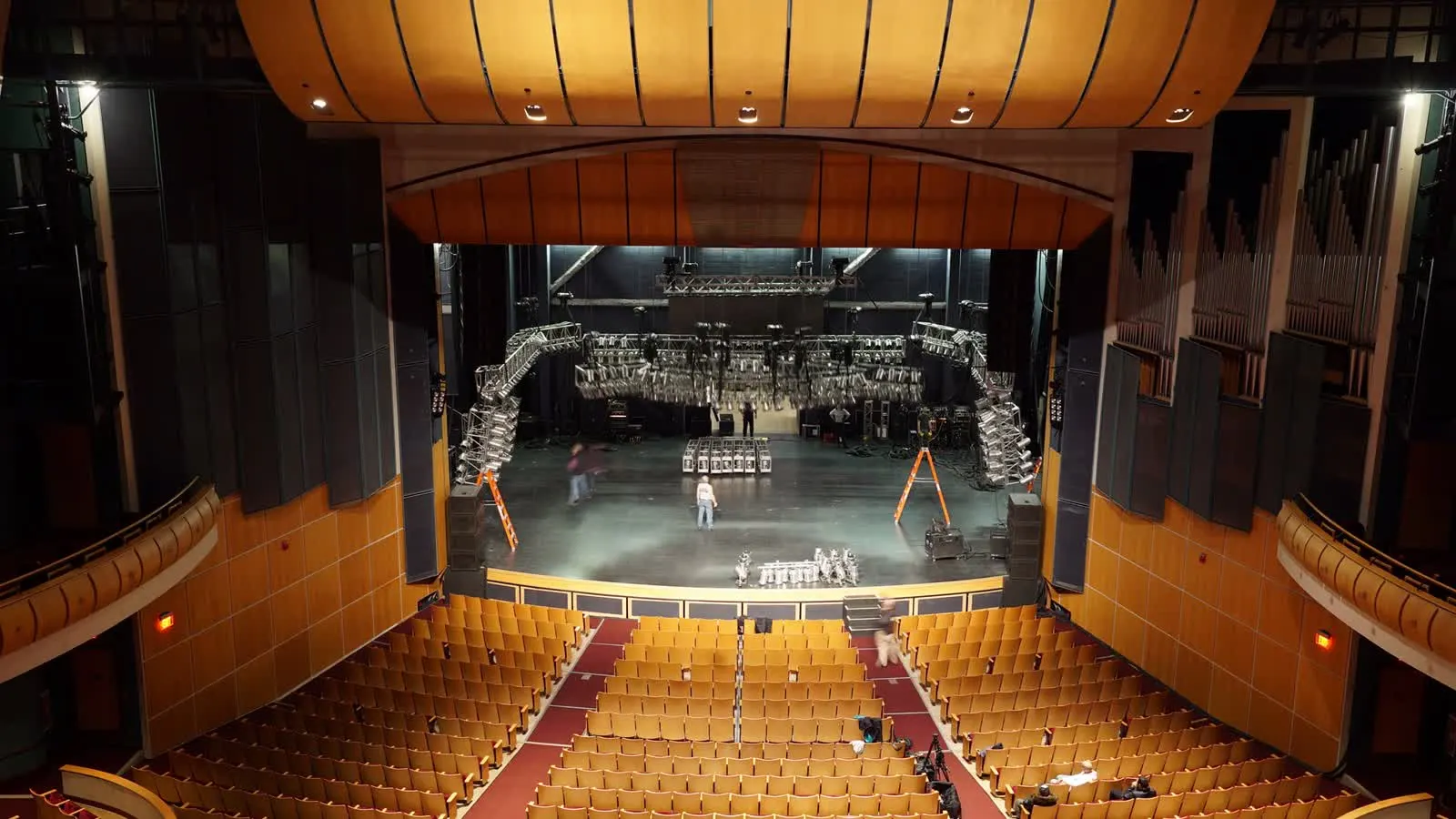
Ask technical and media leads to review the same floor plan. Agree camera positions, cable routes, microphone feeds, stage marks and any restricted zones. Specialist operators should confirm the final technical method for the selected venue and equipment.
Create one approval route
Decide who can approve the event programme, brand assets, screen content, interview questions and published social material. The fastest workflow is not the one with no review; it is the one where the right reviewer is available and understands the deadline.
Keep personal contact details, guest lists and private briefing notes out of public folders and analytics. Provide the capture team only the information needed to identify agreed subjects and restrictions. Record consent or venue restrictions through the appropriate event process rather than assuming that attendance authorises every use.
Plan the handover while defining the scope
Specify photograph quantities, film durations, orientations, captions, music or graphics, delivery dates and included revisions before capture. Separate urgent on-site outputs from edited post-event work, because they require different staffing and approval timings.
An integrated team should finish with an organised handover: approved final files, agreed usage information, a clear folder structure and no unnecessary personal data. If sustainability is part of the brief, include material use, transport, waste and supplier responsibilities in the same planning structure instead of treating them as a separate slogan.
Sources and checks
- TCEB: MICE Sustainability — checked . Official sustainability resources used to support the recommendation to include impacts and responsibilities in planning.